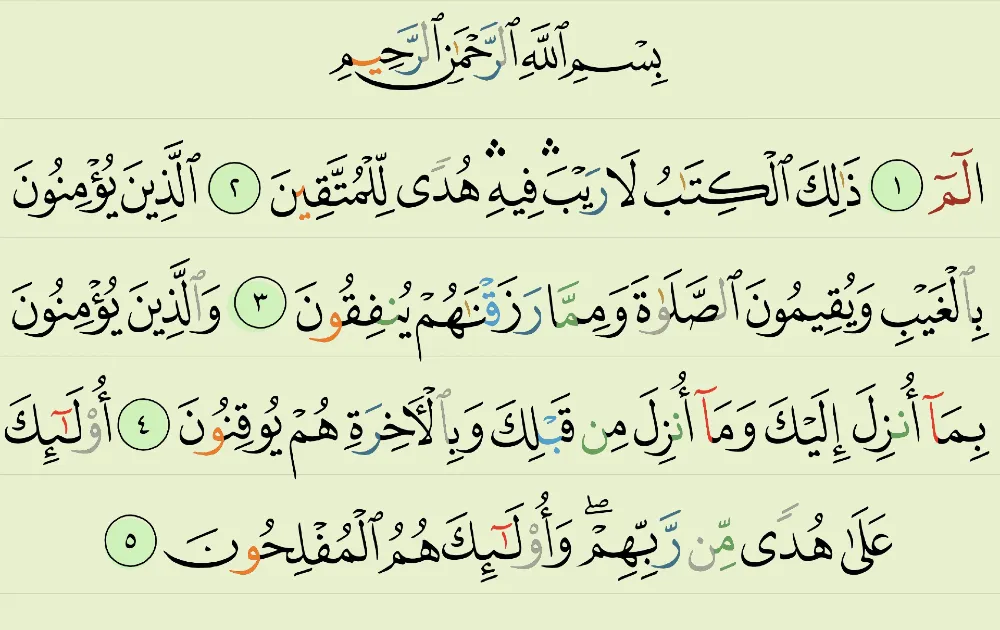
The short answer is simple: I wanted to actually understand the Quran, not just read about it. That meant learning Quranic Arabic, the very language the Quran was revealed in, rather than continuing to rely on someone else’s interpretation of it.
For years, understanding the Quran meant leaning entirely on translation. My native language is Urdu, though I can also speak English, and fortunately, my Quran app gives me plenty of options, Urdu, English, Hindi, Pashto, Russian, you name it. I usually stick with Urdu. The app keeps adding new translators too, so there’s no shortage of choices.
But something Dr. Mustafa Khattab said in a podcast stuck with me: reading translation is like eating canned food. If you want the fresh version, you learn Classical Arabic.
That comparison felt uncomfortably accurate.
Translation Tells You the Story: It Doesn’t Let You Feel It
I recite the Quran almost every day, and I do understand what’s being said, at least on the surface. But the honest truth is, I still feel like I know almost nothing about it.
Translation gives me the story. What it can’t give me is the context behind the words, the emotional weight carried in a single phrase, or the layers of meaning packed into Quranic vocabulary.
Every translation is someone’s best attempt to carry that meaning into another language, and something always gets left behind. No language captures ideas with quite the same intensity as the Arabic of the Quran.
Here’s a small example that changed how I think about this.
In Arabic, the word for “no” is la. In English, if I tell a friend “don’t disturb me,” the meaning shifts depending on tone, maybe I’m half-joking, maybe I’m dead serious. To make it unmistakable in writing, we resort to tricks like ALL CAPS. In speech, we rely on facial expression or the sharpness in our voice.
Classical Arabic solves this differently, and more precisely. Allah uses two forms of la in the Quran, a heavier form and a lighter one.
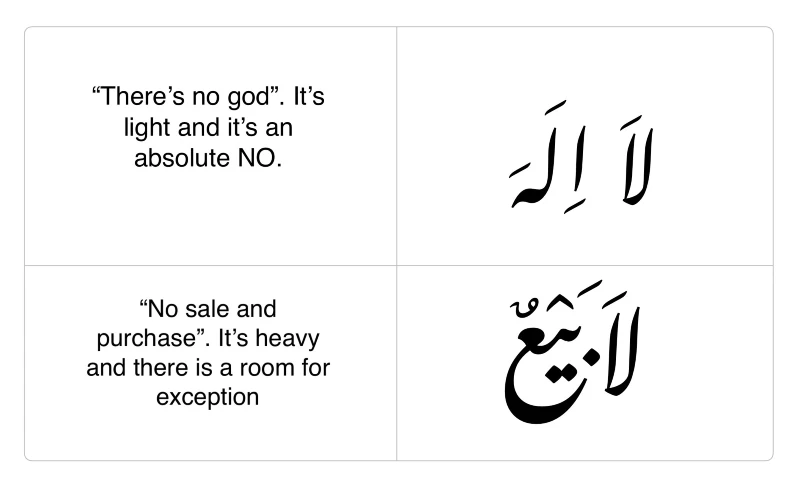
The heavier form is the more common one, and it leaves some room, a possibility that things could go another way. The lighter form is rarer, and when it appears, it signals something final. An absolute no. No room for negotiation.
I read that and thought: this is exactly what I’m missing every single day in salah. I recite the words. I don’t yet feel them. That single example is why reading the Quran with understanding, rather than just reading it, became something I couldn’t let go of.
How I Started My Journey to Learn Classical Arabic
When I decided to actually learn Classical Arabic instead of just relying on translation, I quickly realized the path generally looks like this:
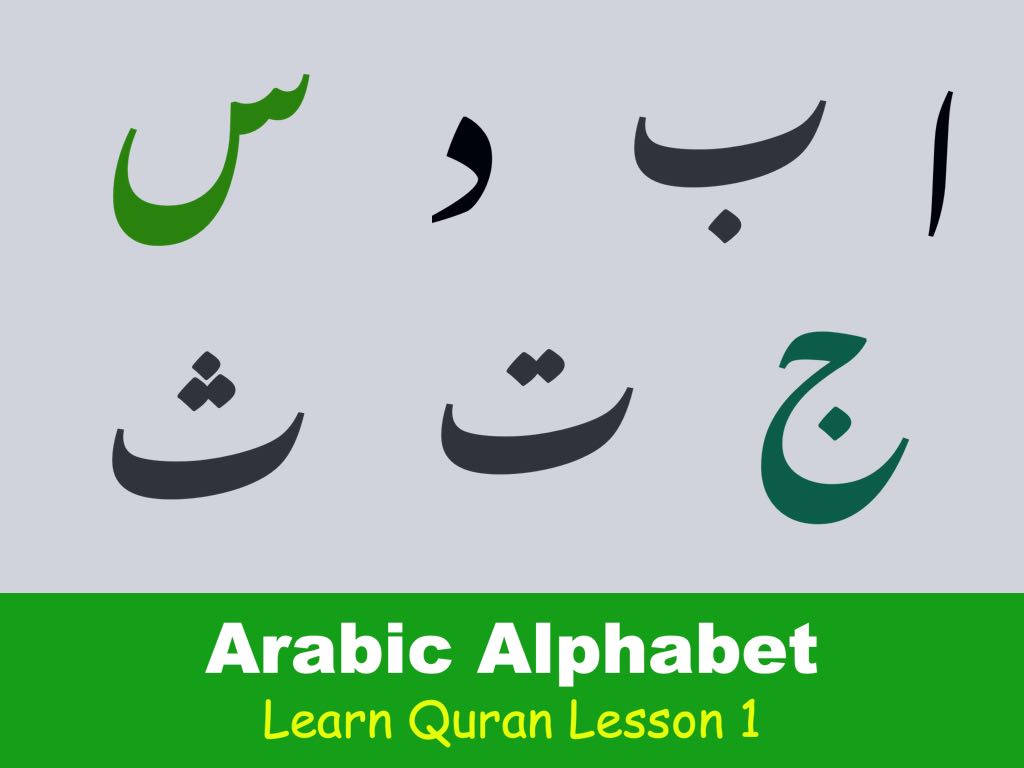
- Master the alphabet. Learn to recognize and correctly pronounce all 28 Arabic letters.
- Study grammar, specifically Nahw and Sarf. Nahw deals with sentence structure, how to identify subjects and their actions. Sarf deals with word formation, how root letters get shaped into different forms and meanings.
- Build vocabulary through roots. Lexicons and root-based word lists are far more effective here than flat vocabulary lists, since Arabic’s triliteral root system means learning one root often hands you five or six related words at once.
- Read Classical texts directly, starting with the Quran, moving into Hadith and other early Islamic literature.
That’s the roadmap. Here’s where I actually am on it.
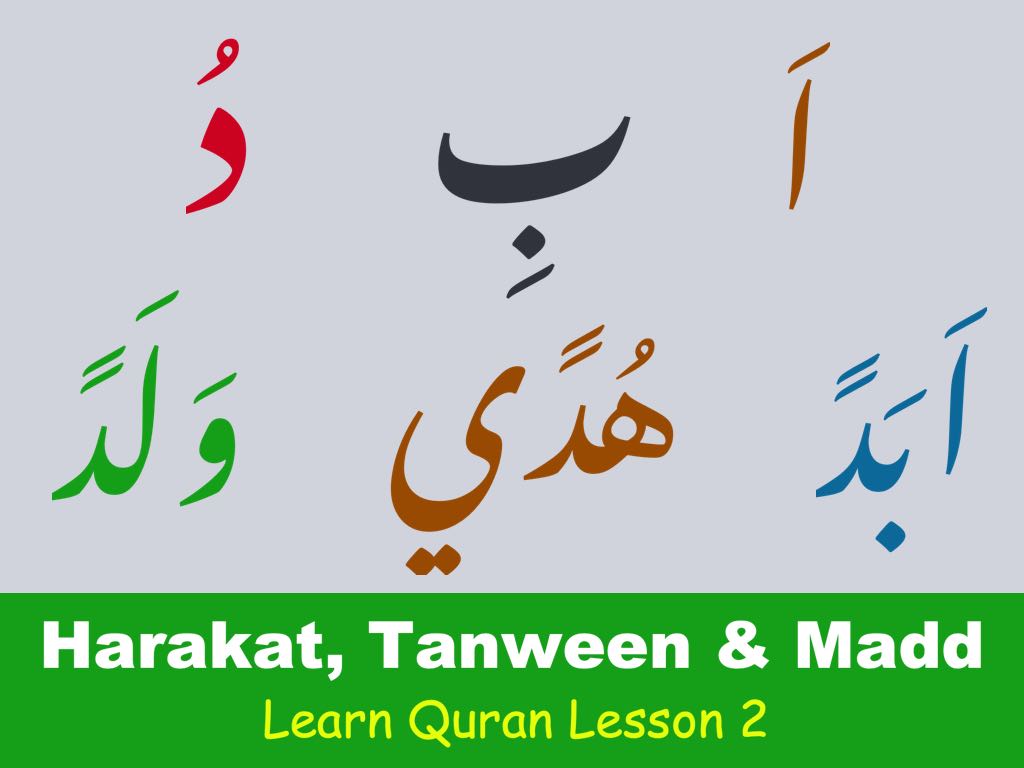
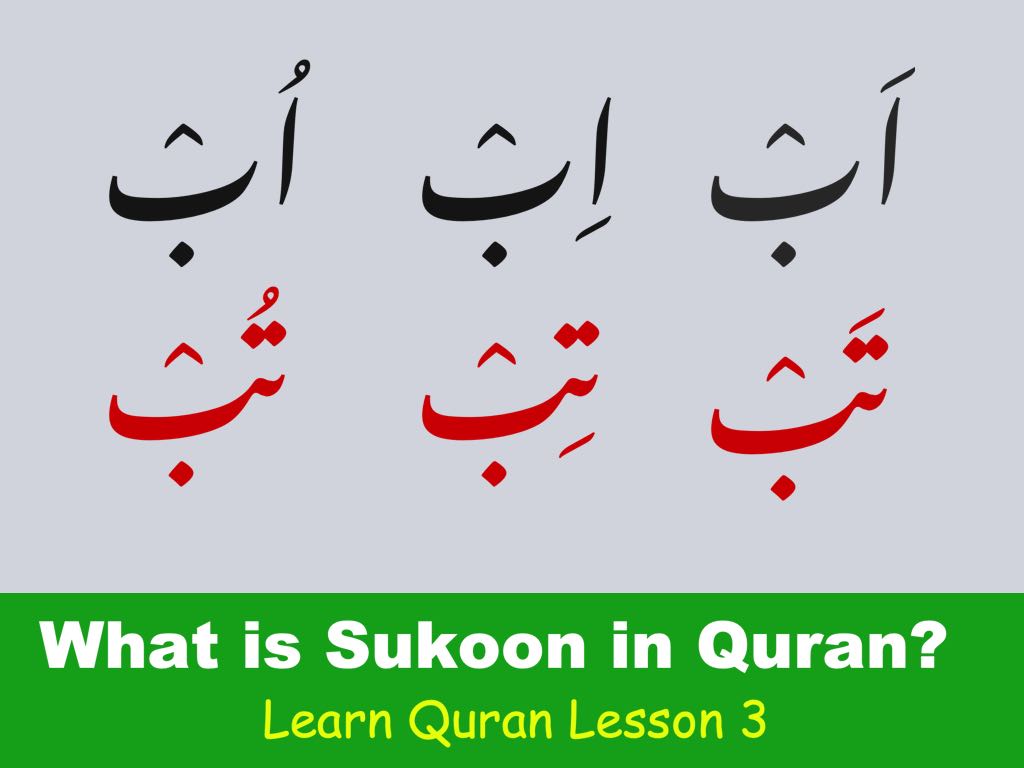
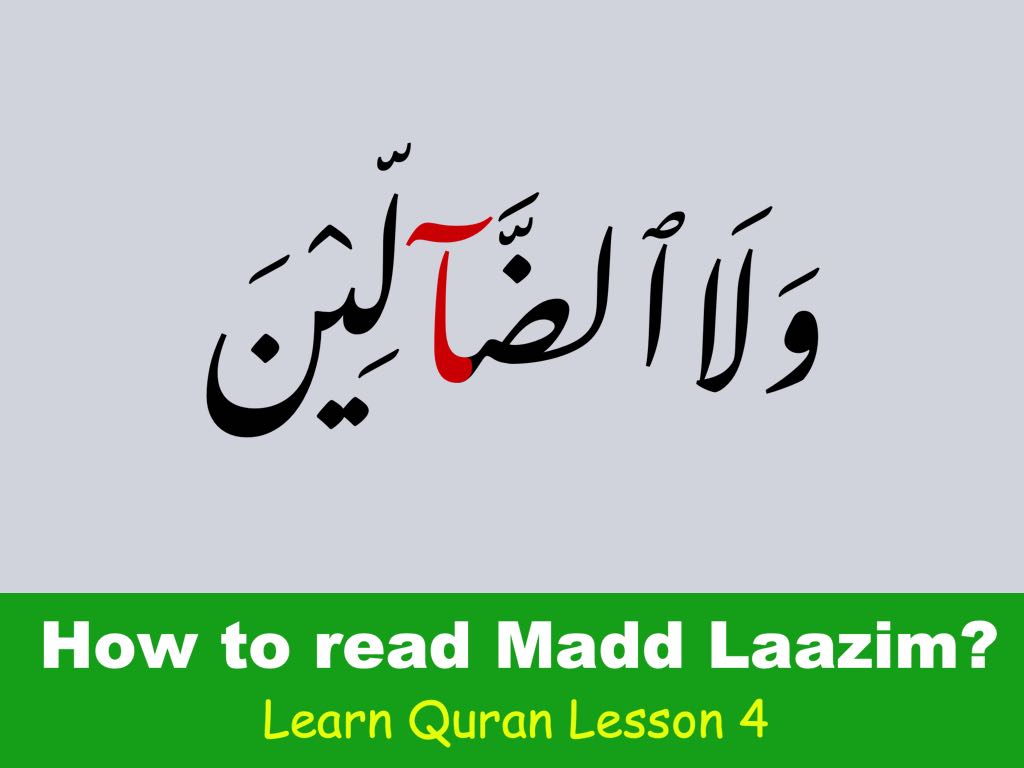
I’ve already worked through the alphabet stage. Even though Urdu shares script similarities with Arabic, which made recognition easier for me, I still wanted a solid foundation. I found a YouTube playlist by Imam Hassan Raza that walked me through the basics clearly, and I later turned those lessons into a series of blog posts covering the Arabic alphabet, tajweed, and the basic rules needed to start reading the Quran with confidence.
I’m still early in the grammar stage. But even this much has already changed how I read the Quran, and honestly, how much I realize I still don’t understand. Learning Classical Arabic isn’t really about becoming fluent for its own sake. It’s about getting closer to a message that, until now, I’ve only ever met secondhand.
But before going further, it’s worth understanding what Classical Arabic actually is, and how it differs from the Arabic spoken and written today.
Is Classical Arabic the Same as Modern Arabic?
Not even close. In fact, Classical Arabic is different enough that many native Arabic speakers struggle to fully grasp it.
Think about English for a second. British English isn’t quite the same as American English, and English spoken across parts of Asia sounds different again. Arabic works on a similar principle, except the gaps are much wider. Broadly, it breaks down into three categories: spoken Arabic, Modern Standard Arabic (also called Modern Arabic, or MSA), and Classical Arabic.
Spoken Arabic
This is everyday, colloquial Arabic, and it varies enormously by country. Someone from Algeria and someone from Egypt might both call themselves Arabic speakers and still struggle to follow each other’s dialect. Each region developed its own vocabulary, accent, and grammar over centuries, shaped by local influences.
An Arab from Saudi Arabia can usually tell, just from accent and word choice, that someone’s from a different part of the Arab world. These dialects are what people grow up speaking at home. MSA, by contrast, is something they learn later, in school.
Modern Standard Arabic (Modern Arabic / MSA)
MSA is the Arabic equivalent of standard English in journalism, a New York Times article makes sense whether you’re reading it in London, Lagos, or Lahore. Arabic works the same way through Modern Arabic. Newspapers, TV news, official government communication, and business correspondence across the Arab world all use it.
If you’re planning to do business across different Arab countries, MSA is the version worth learning. It’s fairly uniform, so someone in Morocco and someone in Iraq can both read the same MSA article and follow it without difficulty. But native speakers don’t use it casually at home; it’s a formal, learned register.
Classical Arabic
This is where things get more distant. Imagine trying to read Shakespeare’s English cold, no glossary, no footnotes. That’s roughly the gap between Classical Arabic and Modern Arabic today.
Classical Arabic is the Arabic that existed before and during the early days of Islam, and it’s the Arabic the Quran itself was revealed in. If your goal is genuinely understanding the Quran in Arabic, rather than through someone else’s words, this is the register you need.
You’ll sometimes hear the word fusha used loosely to describe both Classical Arabic and MSA, and even as a blend of the two. Most commonly though, people use it to mean Modern Standard Arabic, as opposed to ammiyya, the spoken dialects.
So which one should you learn? If your goal is business or travel, Modern Arabic (MSA) is the practical choice. If your goal is understanding the Quran and early Islamic texts directly, Classical Arabic is non-negotiable, MSA alone won’t get you there.
How Did Arabic Change So Much Over Time?
For much of their early history, Arabs living across the Arabian Peninsula had limited, though not nonexistent, contact with the wider world. Trade routes did connect them to neighboring regions, but daily life and language stayed largely rooted within the peninsula itself.
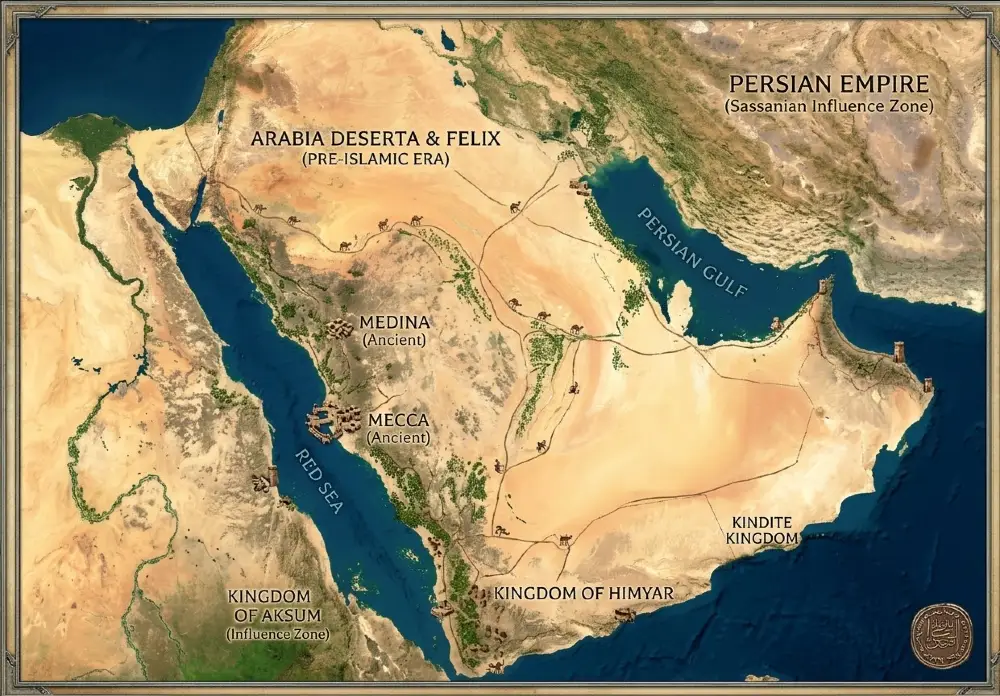
With a landscape shaped heavily by desert, camels, and open sky, Arabic speakers developed an extraordinarily rich vocabulary to describe what surrounded them. For instance, there wasn’t just one word for “camel.” There were dozens, depending on whether it was resting, running, young, or old. Poetry flourished as a way of capturing this same richness in language, and Arabs took real pride in their linguistic precision.
This richness is closely tied to how Arabic vocabulary is built. Most Arabic words trace back to a three-letter root, a triliteral root, and that single root can branch into dozens of related words carrying a shared core meaning.
Once you start recognizing Arabic roots, vocabulary stops feeling like an endless list of unconnected words and starts feeling like a web of related ideas. This is one of the more rewarding parts of building Quranic vocabulary, once you know a root, several Quranic words built from it suddenly make sense together.
Once Islam spread beyond the Arabian Peninsula, Muslims came into much closer and more sustained contact with other cultures and languages. Over generations, this contact naturally influenced spoken Arabic, new vocabulary crept in, pronunciation shifted, and regional dialects branched further apart from one another. This wasn’t corruption so much as ordinary language change, the same thing that happens to every living language given enough time and contact with others.
What we call Classical Arabic today refers specifically to the Arabic used before this broader mixing took hold, closer to how the Bedouin tribes of the Arabian Peninsula spoke and wrote.
Scholars went to considerable lengths to preserve this. They traveled, listened, and documented how words were used, their variations, and any poetry where those words appeared. The result was the Arabic lexicon, a resource unlike a typical English dictionary. Rather than giving you one tidy definition, an Arabic lexicon traces a word’s full history, every shade of meaning, every context it appeared in.
Because of that painstaking documentation, Classical Arabic has stayed remarkably well preserved. When someone studies it today, they’re drawing on the very same sources scholars compiled centuries ago. And the gap between Classical Arabic and Modern Arabic is significant, easily more than five hundred years of language evolution sits between them. The foundation is shared. A great deal on the surface is not.
FAQs: Learning Classical Arabic
Is Classical Arabic difficult to learn?
Yes, genuinely difficult, and there’s no point sugarcoating it. Classical Arabic grammar, especially Nahw and Sarf, takes real time to sink in, and there’s no single “perfect” course or syllabus that shortcuts the process. It’s a long journey. That said, it does get noticeably easier once you push past the early stages, which is exactly where most people give up. What actually gets you through isn’t talent or a special aptitude for languages. It’s consistency.
How long does it take to learn Classical Arabic?
Longer than most people would like, and there’s no fixed timeline that applies to everyone. It depends on how consistently you study, whether you’re also building Quranic vocabulary alongside grammar, and how much daily exposure you get through reading or listening. Rather than fixating on a number of months or years, it’s more useful to think of it as a long-term relationship with the language, one that keeps deepening the longer you stay with it.
Should I stick to one Arabic course, or try a few different ones?
As per my understanding, stick to one. Course-hopping is one of the most common reasons people stall out after years of studying Classical Arabic. Whether you choose the Madina Book series, Al-Arabiyya Bayna Yadayk, or another structured Classical Arabic course, the specific choice matters far less than finishing what you start. Jumping between programs resets your progress every time and keeps foundational concepts from ever fully settling in. Commit to one path, and the language starts to click in a way that switching never allows.
Can I learn Classical Arabic as a beginner with no prior background?
Yes. Most learners start with zero background in Arabic script, grammar, or vocabulary. The typical starting point is the Arabic alphabet, followed by foundational grammar (Nahw and Sarf), and then steady vocabulary building through Arabic roots. Progress may feel slow in the beginning, but that’s normal for anyone learning Quranic Arabic from scratch rather than starting with prior exposure to the language.
Does reading the Quran help while learning Classical Arabic?
Absolutely, and this is one of the most overlooked parts of the process. Whether or not you’re Muslim, there’s something in the Quran’s rhythm, structure, and precision that sharpens Arabic learning in a way few other texts can. A practical way to use this is to switch your daily reading to a word-by-word mushaf, such as Quran.com. This reinforces Quranic vocabulary naturally as you go, and gradually moves you toward reading the Quran with understanding, rather than relying on translation alone.
Is Classical Arabic the same as Quranic Arabic?
Largely yes. Quranic Arabic is essentially Classical Arabic as it appears in the Quran specifically, so learning Classical Arabic is what equips you to read and understand the Quran directly, without depending on a translator’s interpretation of the original Arabic.